There’s a teacher you still remember. Not because of a lesson she taught, but because of how she walked into the room. Something about the way she put herself together made the whole class sit up a little straighter before she even opened her mouth. That’s not coincidence. That’s the quiet power of dressing with intention.
Here’s something nobody wants to say out loud but everybody already knows: we pay more attention to people who look good. It’s human nature. We gravitate toward things that feel alive and put together. Don’t we? Think back to any classroom you’ve sat in. The teacher who showed up sharp owned the room. The one who looked like she’d given up somewhere between the parking lot and the front door? You were doodling by the third minute. Dressing well isn’t vanity. It’s presence.
Two teachers walk into a building. One teaches history, the dry kind, dates, treaties, wars that most students couldn’t care less about. The other teaches English, creative writing, the kind of subject that should feel alive. But the history teacher dresses like she means it every single day. Tailored, deliberate, put together. The English teacher doesn’t. Guess which class actually pays attention? Dressing well is a statement of intention, and students read it every single morning.
Now, teacher fashion has a reputation. Long skirts, cardigans that have seen better decades, the kind of footwear that prioritizes function at the cost of everything else. And honestly? The long skirt isn’t going anywhere. It’s practically a uniform at this point, unofficially the national dress of the profession.
But something has shifted. Teachers are showing up differently now. Structured leather totes, fall suiting in colors that actually have names beyond “brown,” silk blouses under well-cut blazers, midi skirts with ankle boots that read cool without trying too hard. The classroom is getting a wardrobe update and it’s long overdue.
There are no official style rules for most teachers beyond whatever the handbook says. But there’s an unspoken responsibility that comes with the role. You’re the one they’re watching, not just for knowledge but for cues on how to carry yourself. This story is for every teacher ready to show up for that.
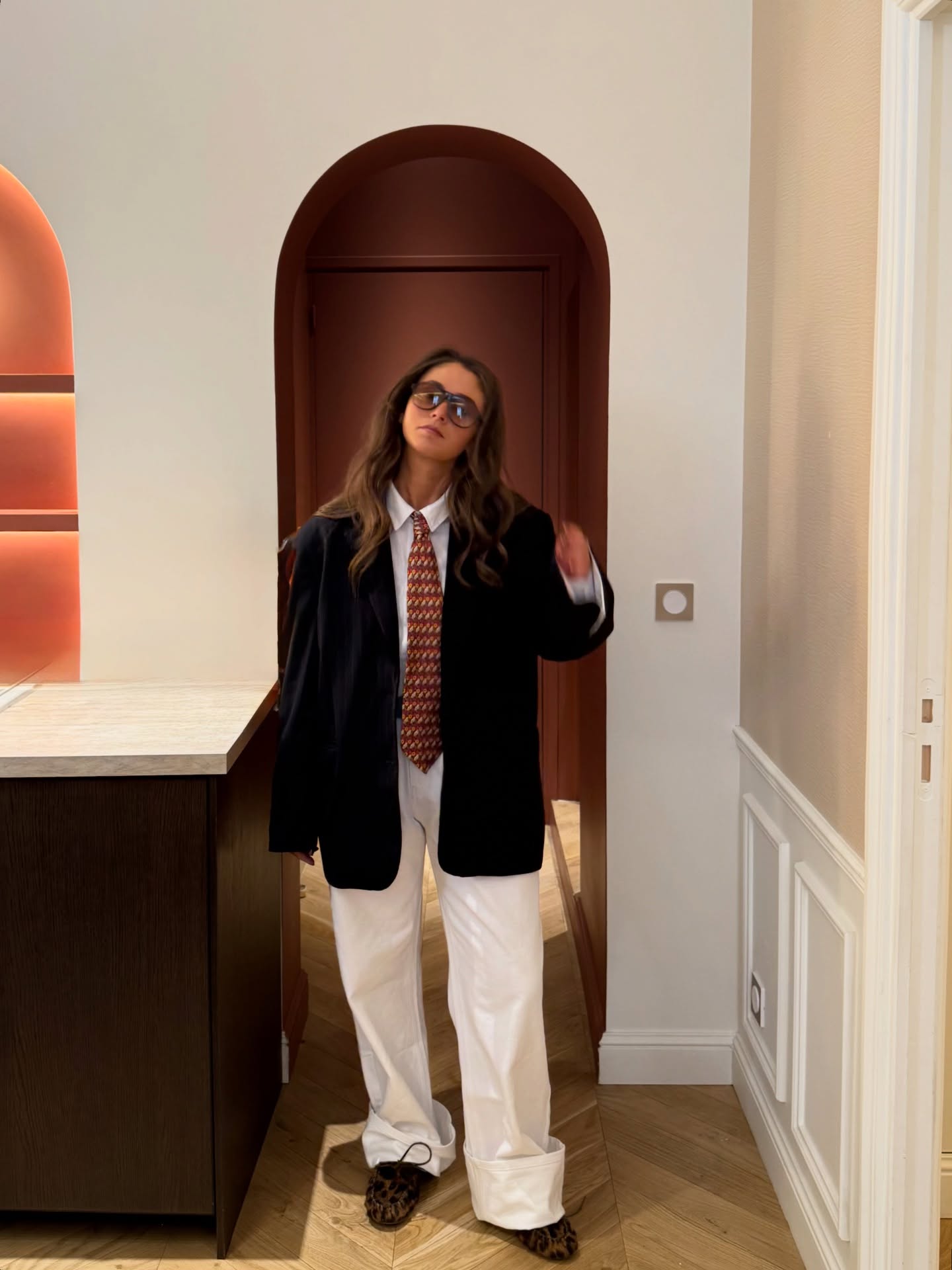
Outfit #1: Black Oversized Blazer + White Dress Shirt + Brown Printed Neck Tie + White Wide-Leg Cuffed Trousers + Leopard Print Loafer Mules
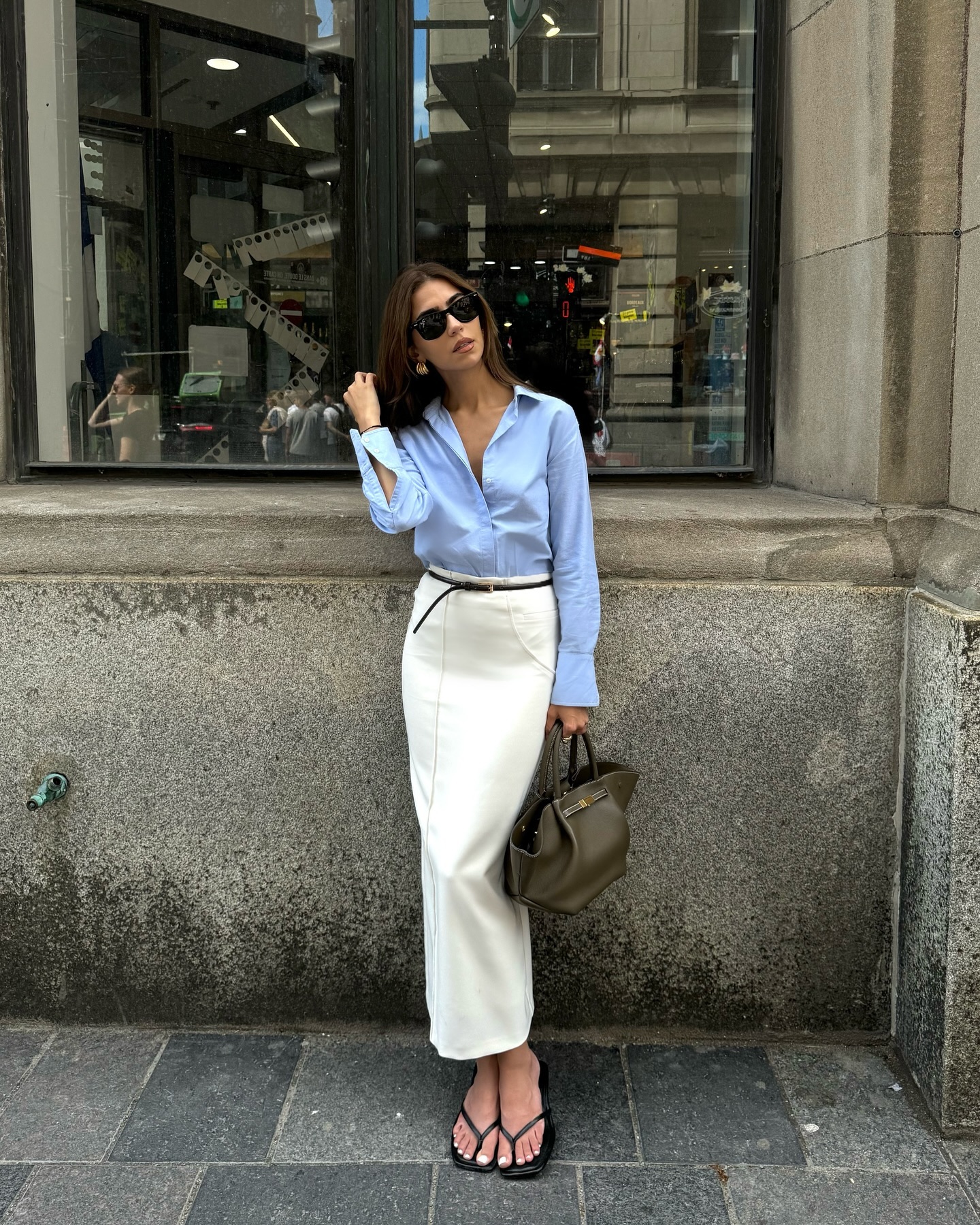
Outfit #2: Blue Oversized Button-Down Shirt + Brown Leather Belt + Cream High-Waist Midi Skirt + Olive Green Leather Bucket Bag + Black Flat Thong Sandals
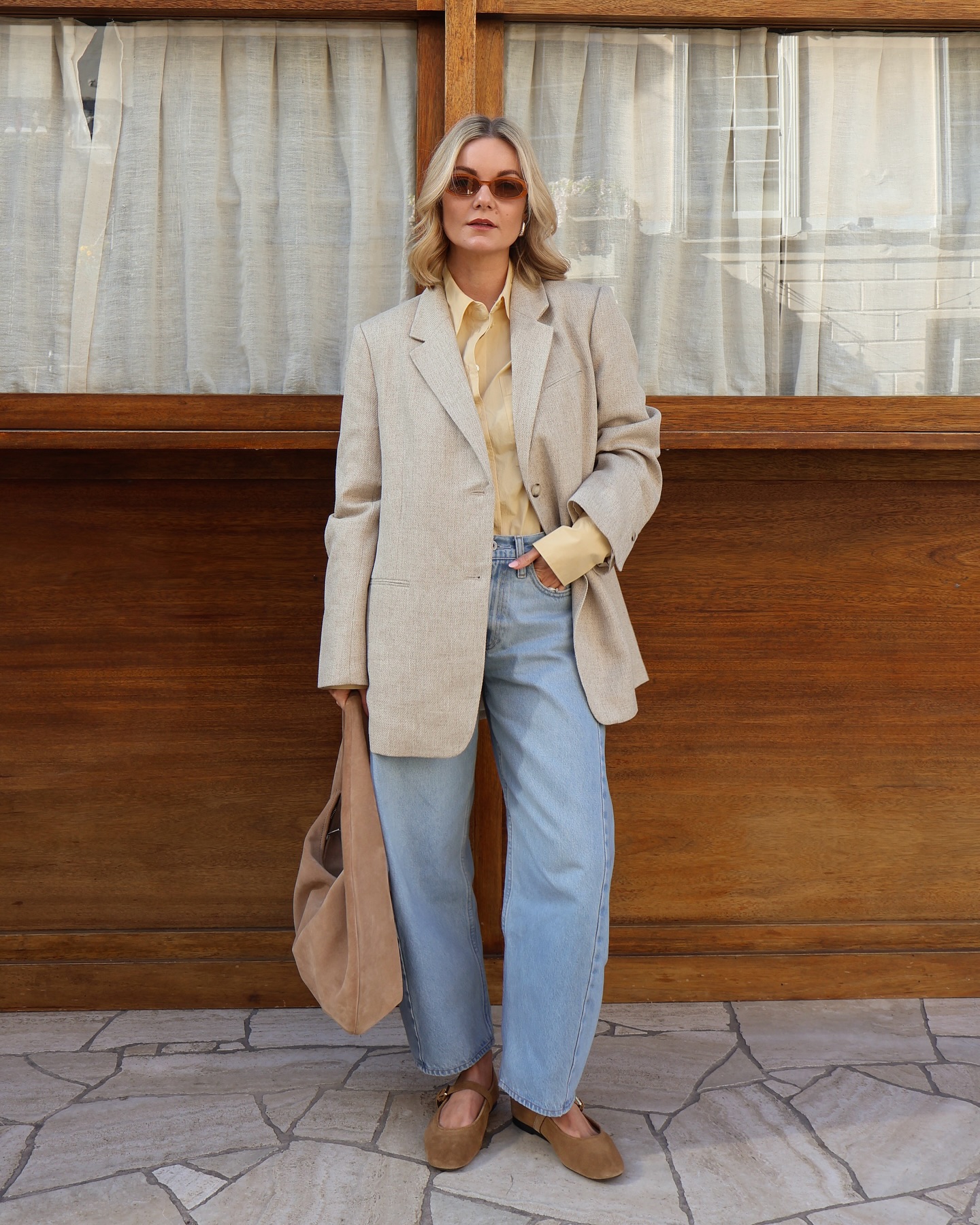
Outfit #3: Beige Linen Longline Blazer + Yellow Button-Down Shirt + Light Wash Straight-Leg Jeans + Camel Suede Hobo Bag + Beige Suede Mary Jane Flats
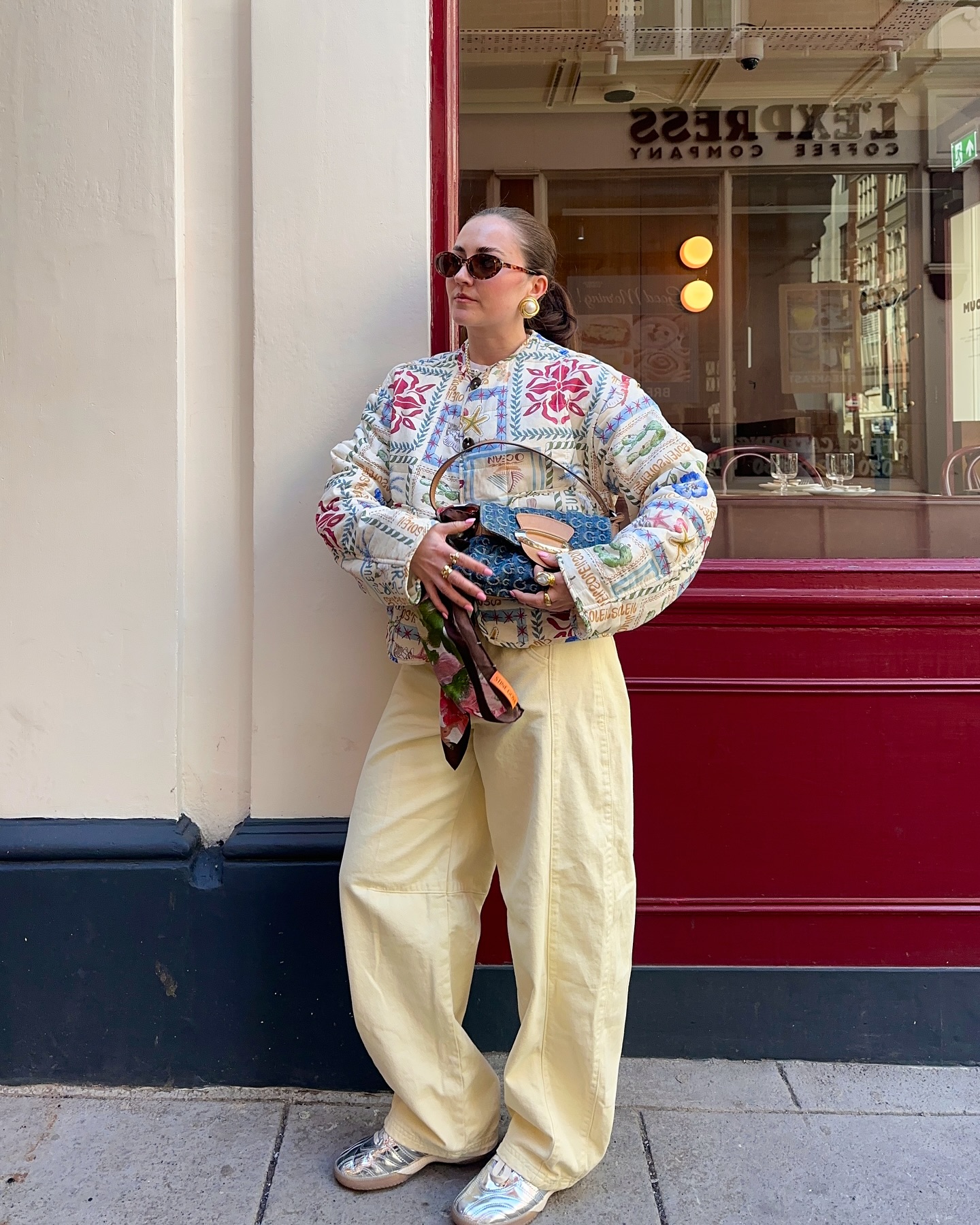
Outfit #4: White Floral Embroidered Puffer Jacket + Pale Yellow Wide-Leg Trousers + Multicolor Embroidered Sneakers + Blue Printed Denim Mini Bag
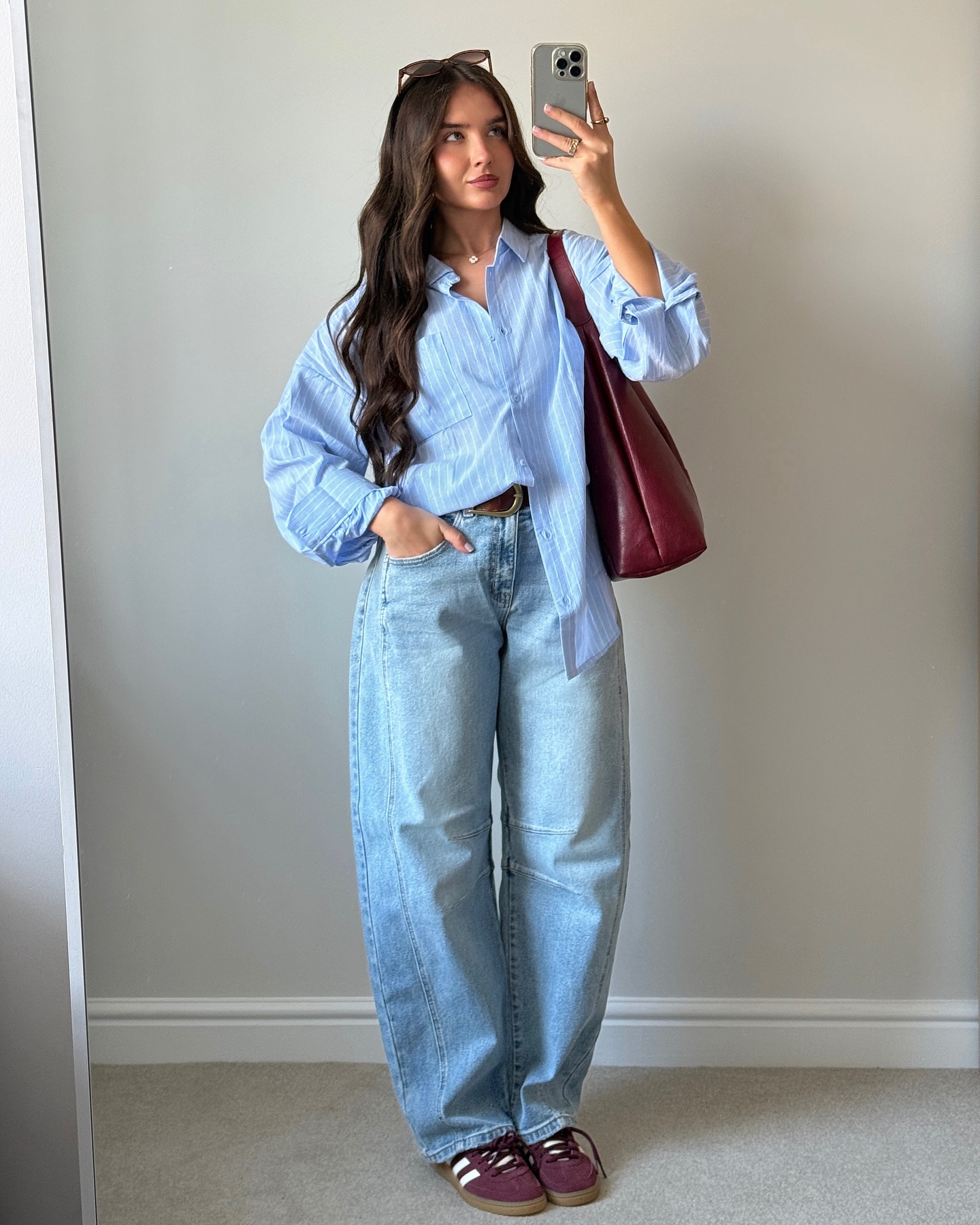
Outfit #5: Blue Striped Oversized Button-Down Shirt + Brown Leather Belt + Light Wash Barrel-Leg Jeans + Burgundy Leather Hobo Bag + Burgundy and White Sneakers
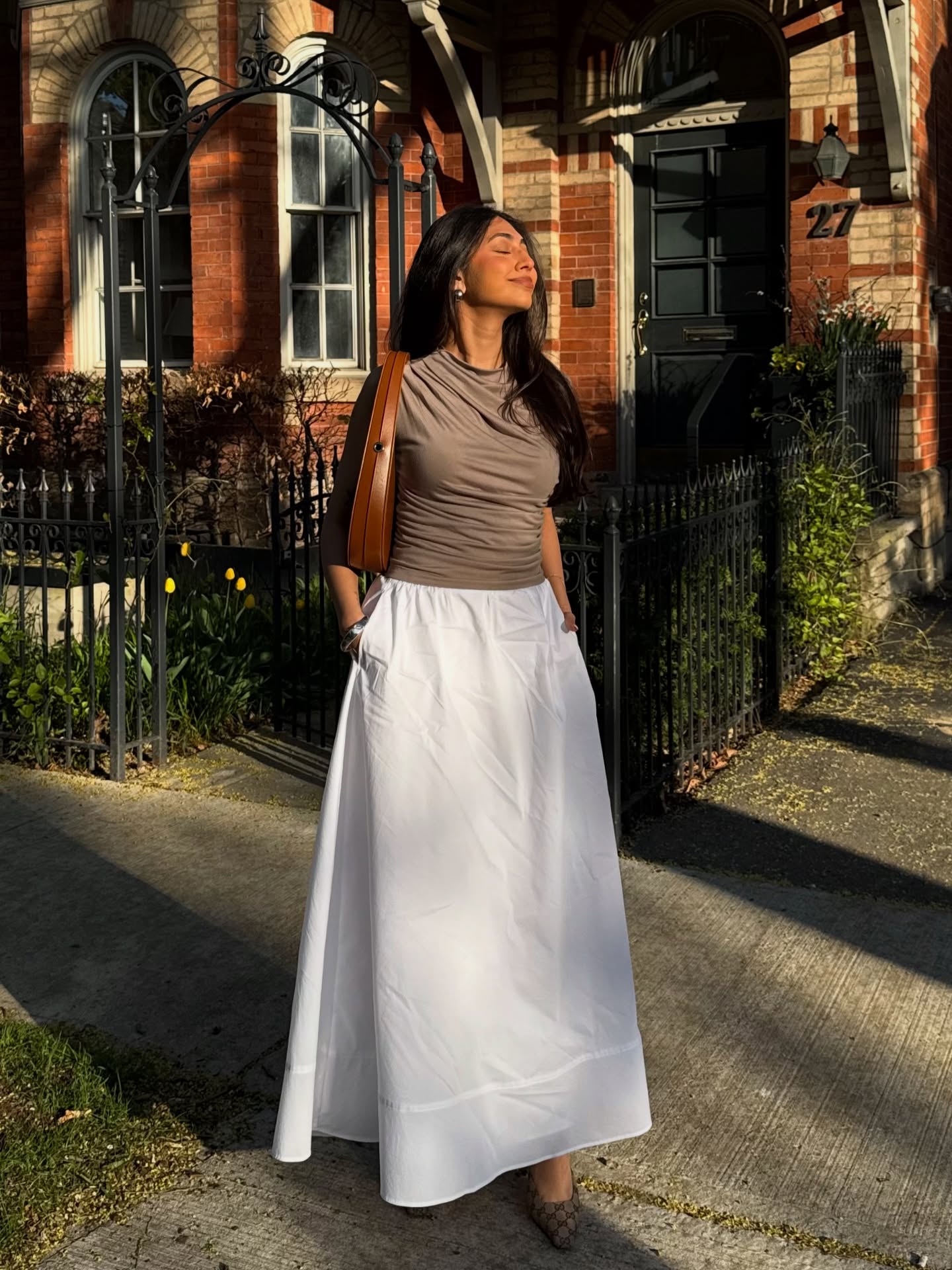
Outfit #6: Taupe Draped Cowl-Neck Short-Sleeve Top + White Full A-Line Maxi Skirt + Tan Leather Shoulder Bag + Brown Flat Mules
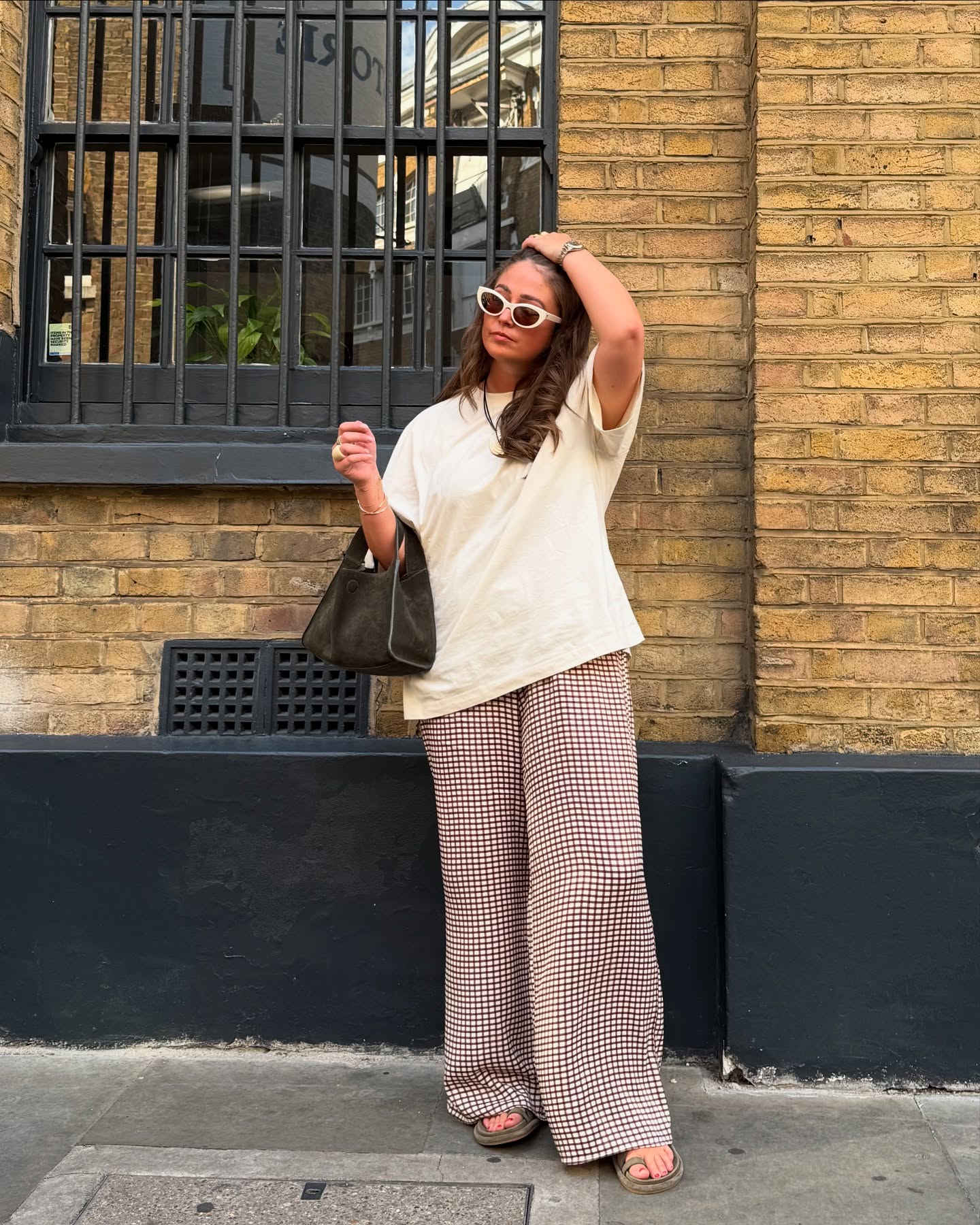
Outfit #7: Cream Oversized T-Shirt + Brown and Cream Gingham Wide-Leg Trousers + Olive Green Mini Top Handle Bag + Nude Flat Slide Sandals
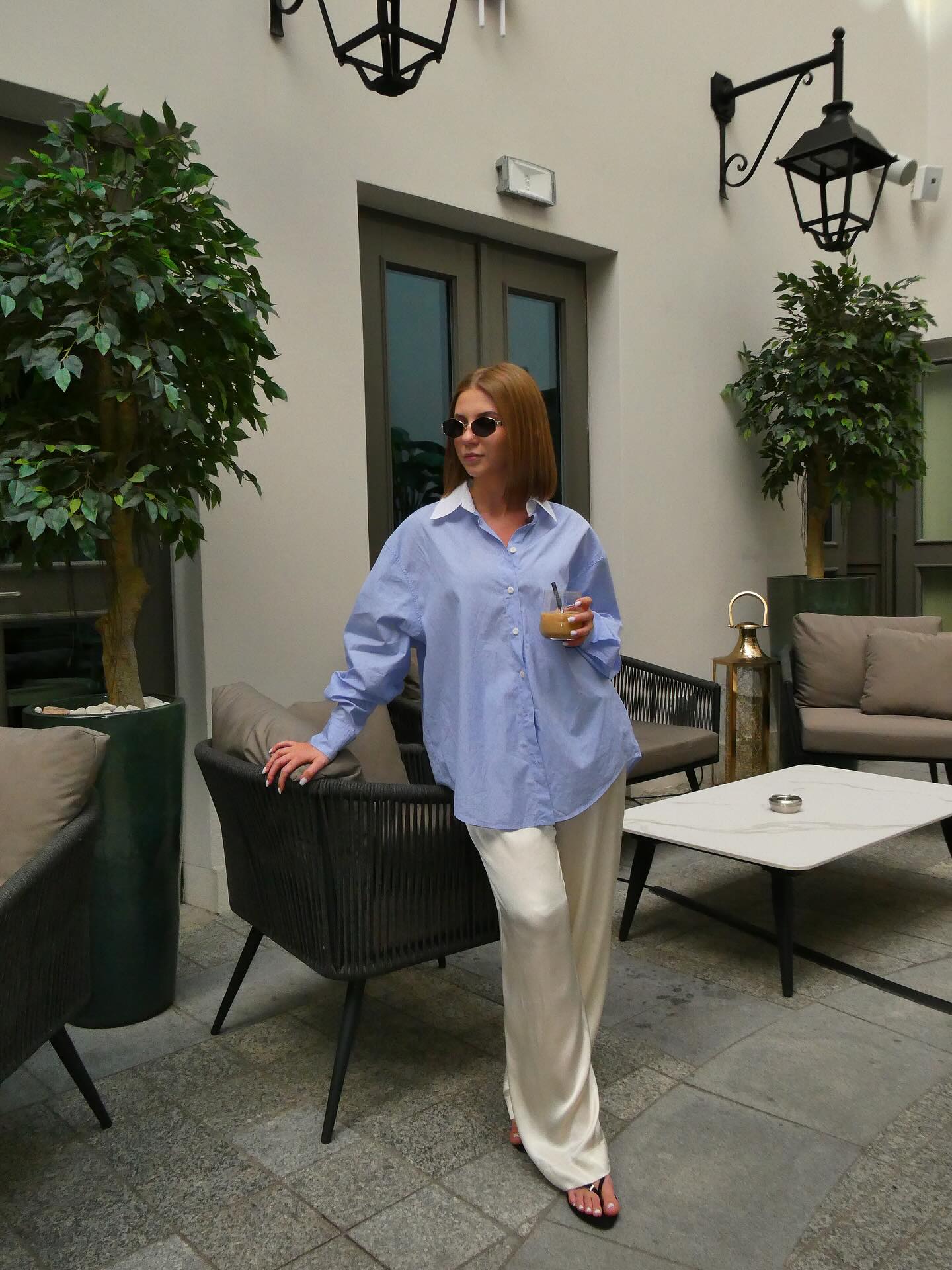
Outfit #8: Blue Oversized Button-Down Shirt + Ivory Wide-Leg Satin Trousers + Black Thong Heeled Sandals
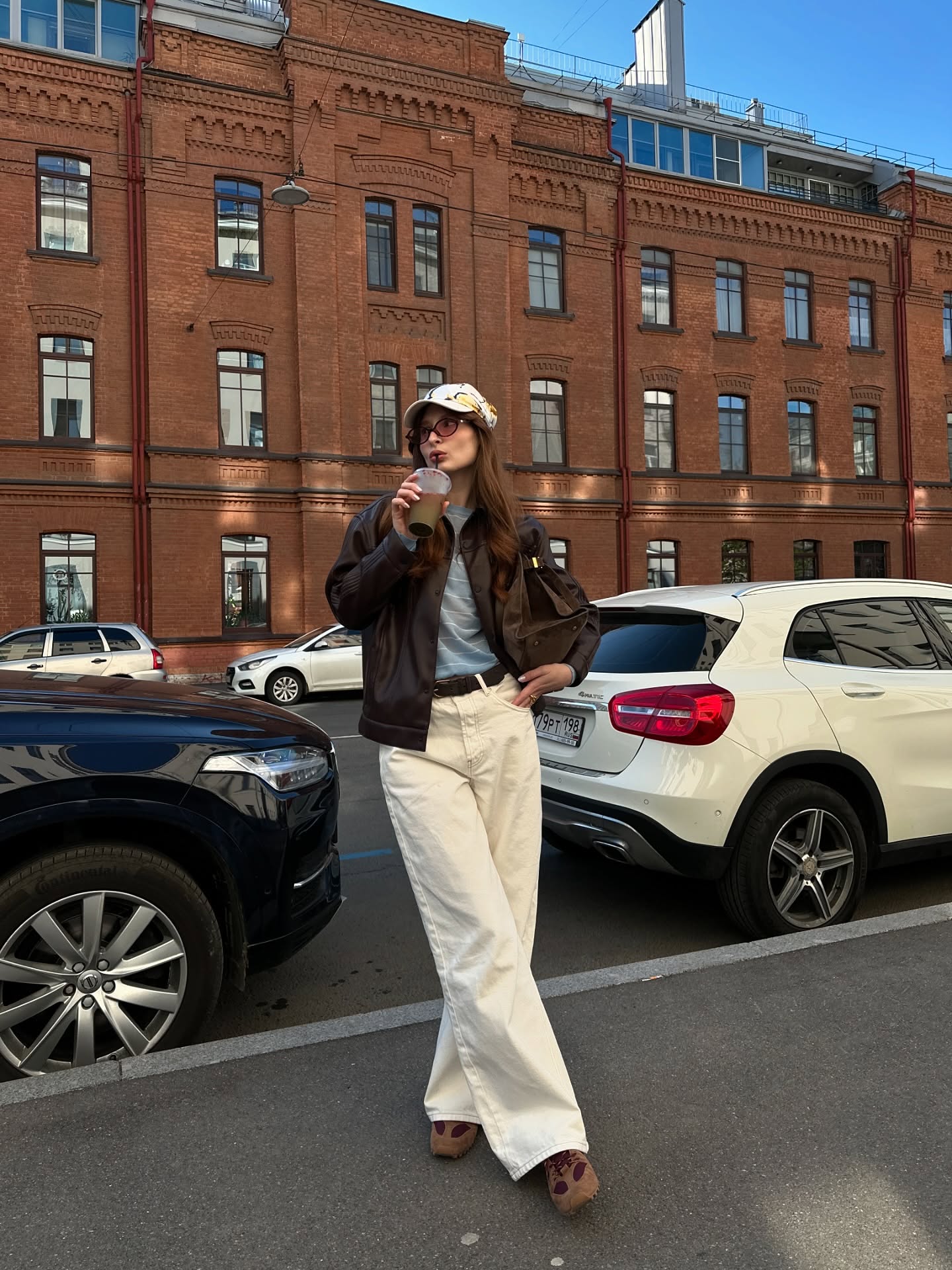
Outfit #9: White Baseball Cap + Dark Brown Leather Bomber Jacket + Light Gray T-Shirt + Cream Wide-Leg Jeans + Dark Brown Leather Tote Bag + Brown Chunky Ankle Boots
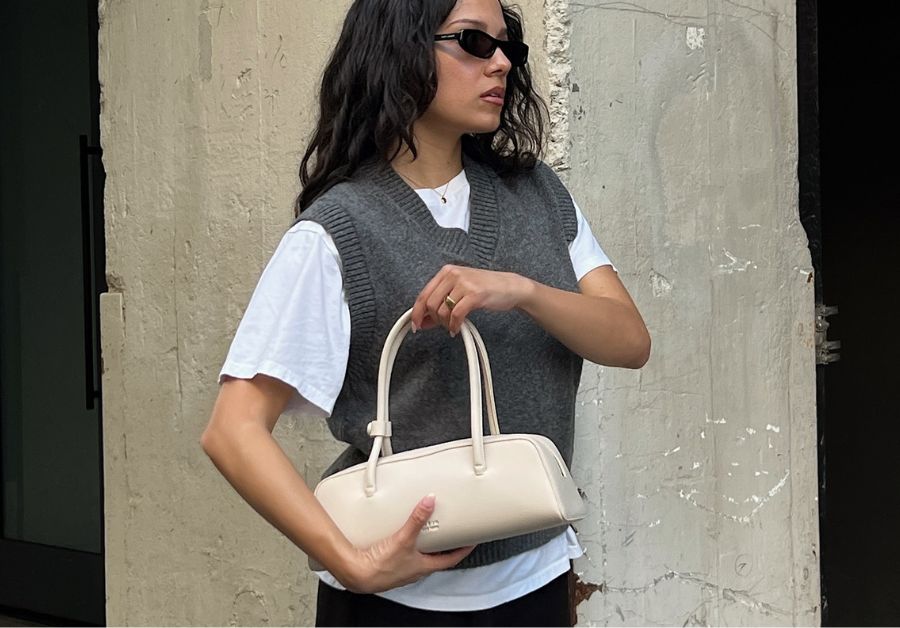
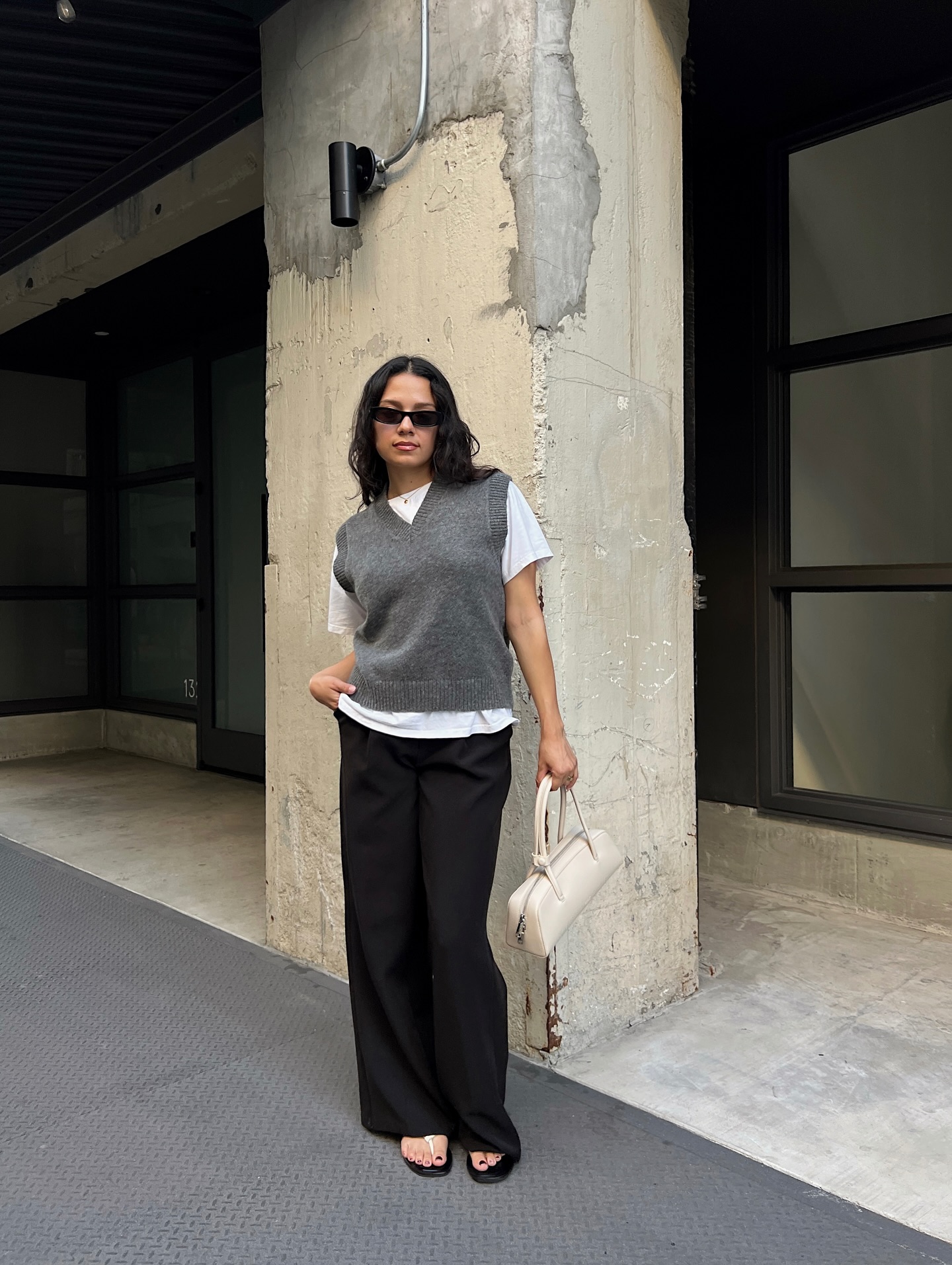
Outfit #10: Gray V-Neck Knit Vest + White Crew-Neck T-Shirt + Black Wide-Leg Tailored Trousers + Cream Top Handle Bag + Black Flat Thong Sandals
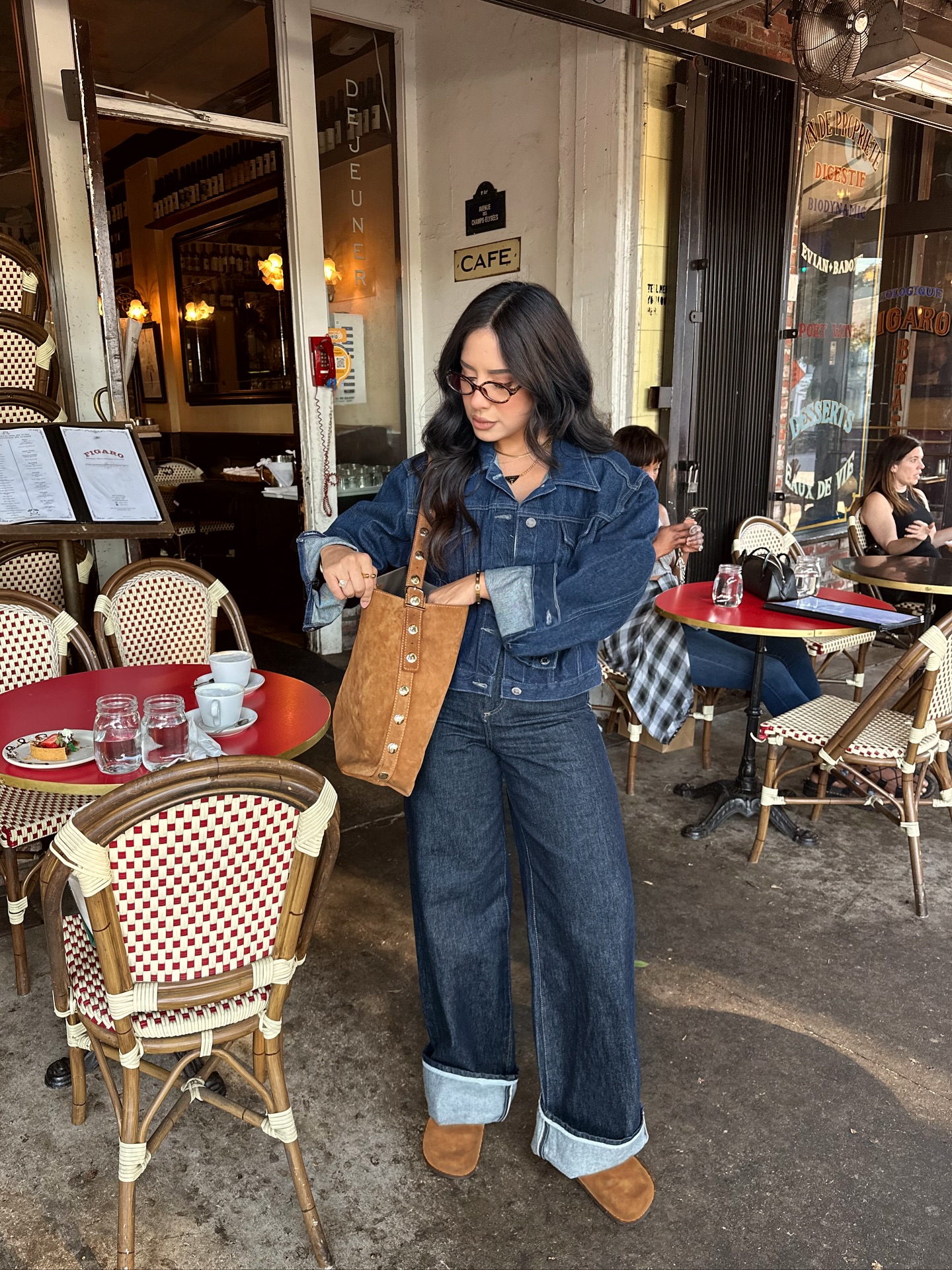
Outfit #11: Dark Navy Denim Trucker Jacket + Dark Wash Wide-Leg Cuffed Jeans + Tan Brown Leather Studded Tote Bag + Tan Suede Chelsea Boots
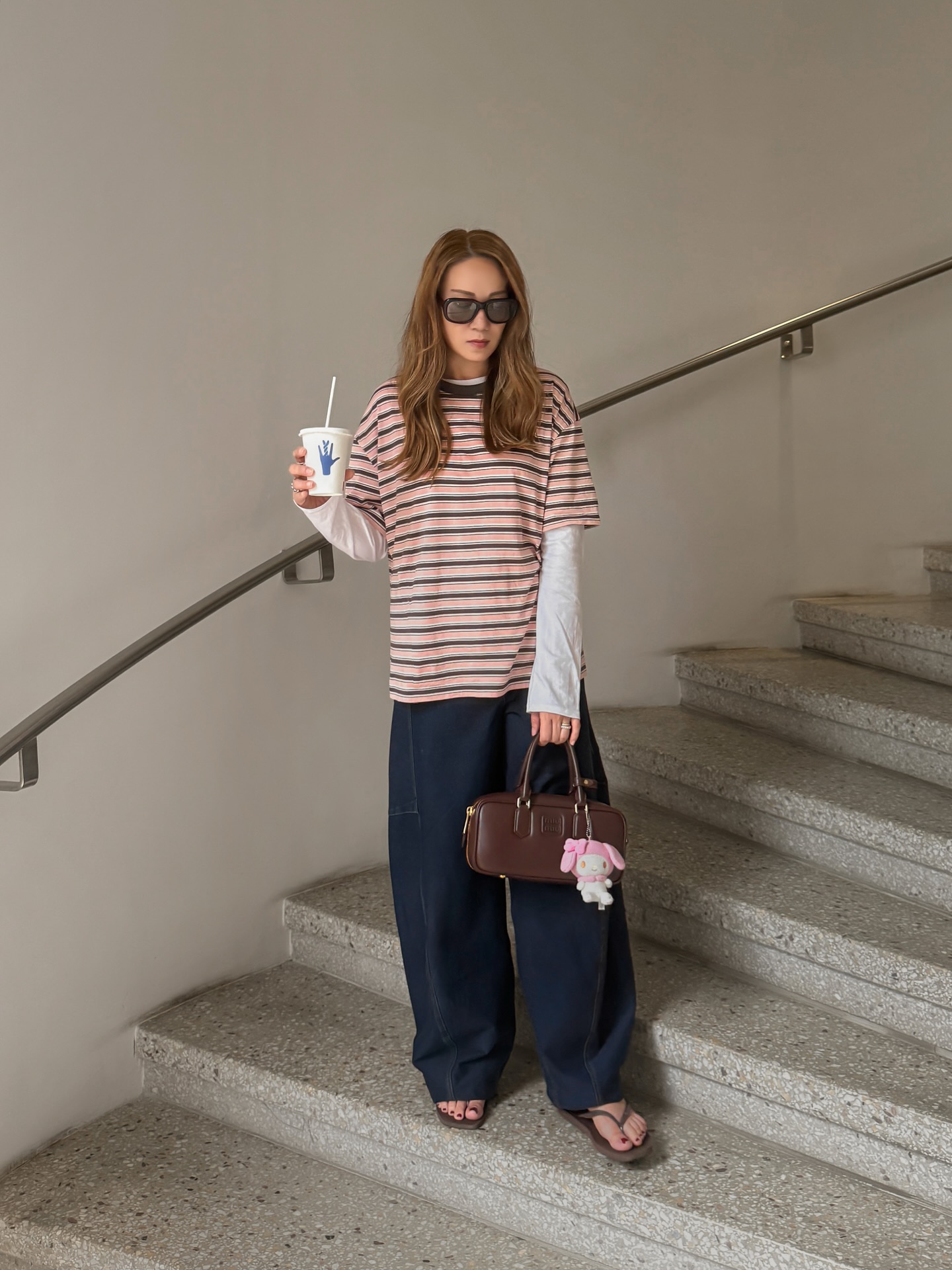
Outfit #12: Pink Multi-Stripe Oversized T-Shirt + White Long-Sleeve T-Shirt + Navy Wide-Leg Denim Jeans + Brown Leather Mini Boston Bag + Dark Brown Flat Thong Sandals
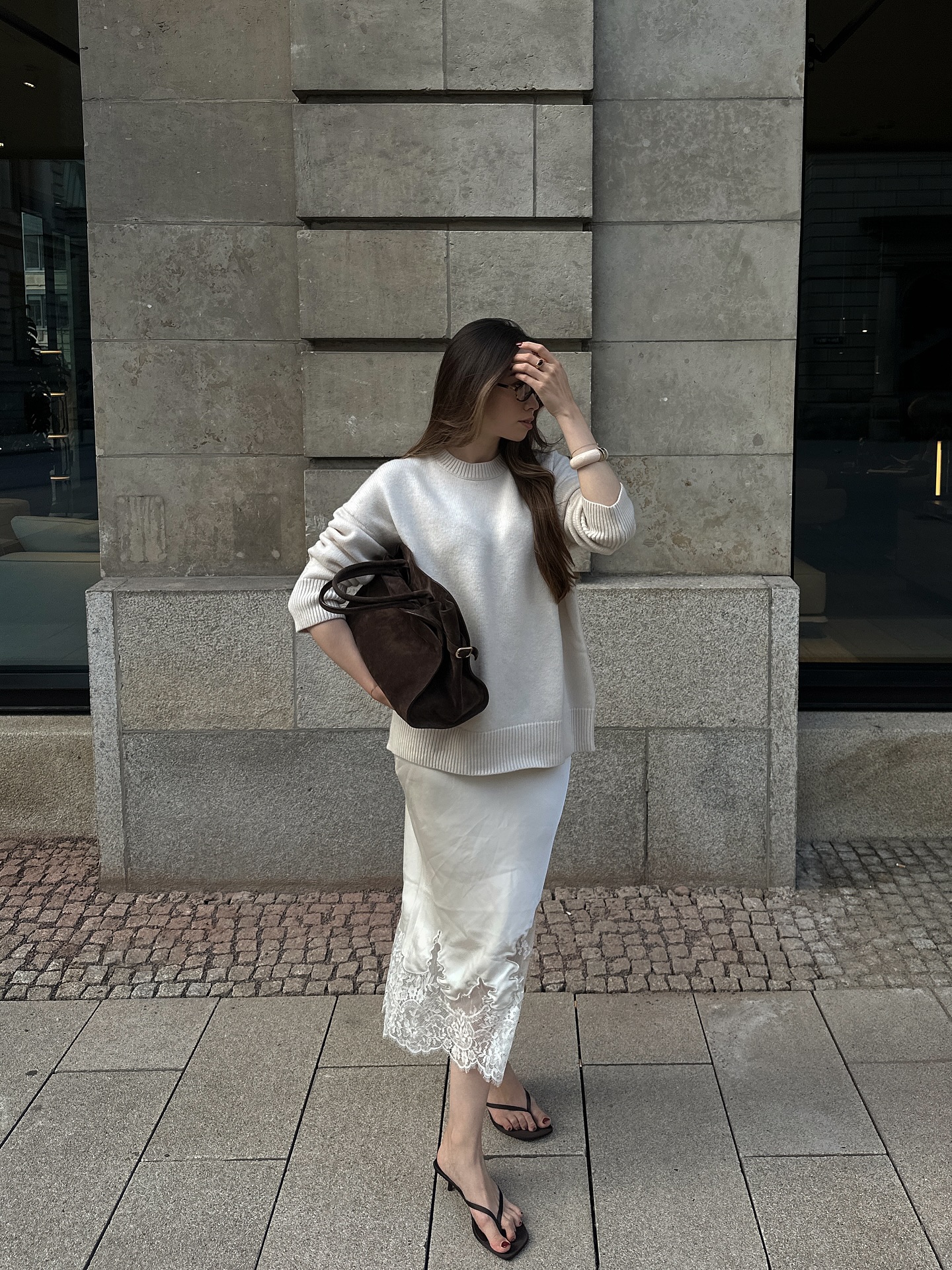
Outfit #13: Ivory Oversized Crew-Neck Knit Sweater + White Lace-Hem Midi Skirt + Black Strappy Heeled Sandals + Dark Brown Suede Shoulder Bag
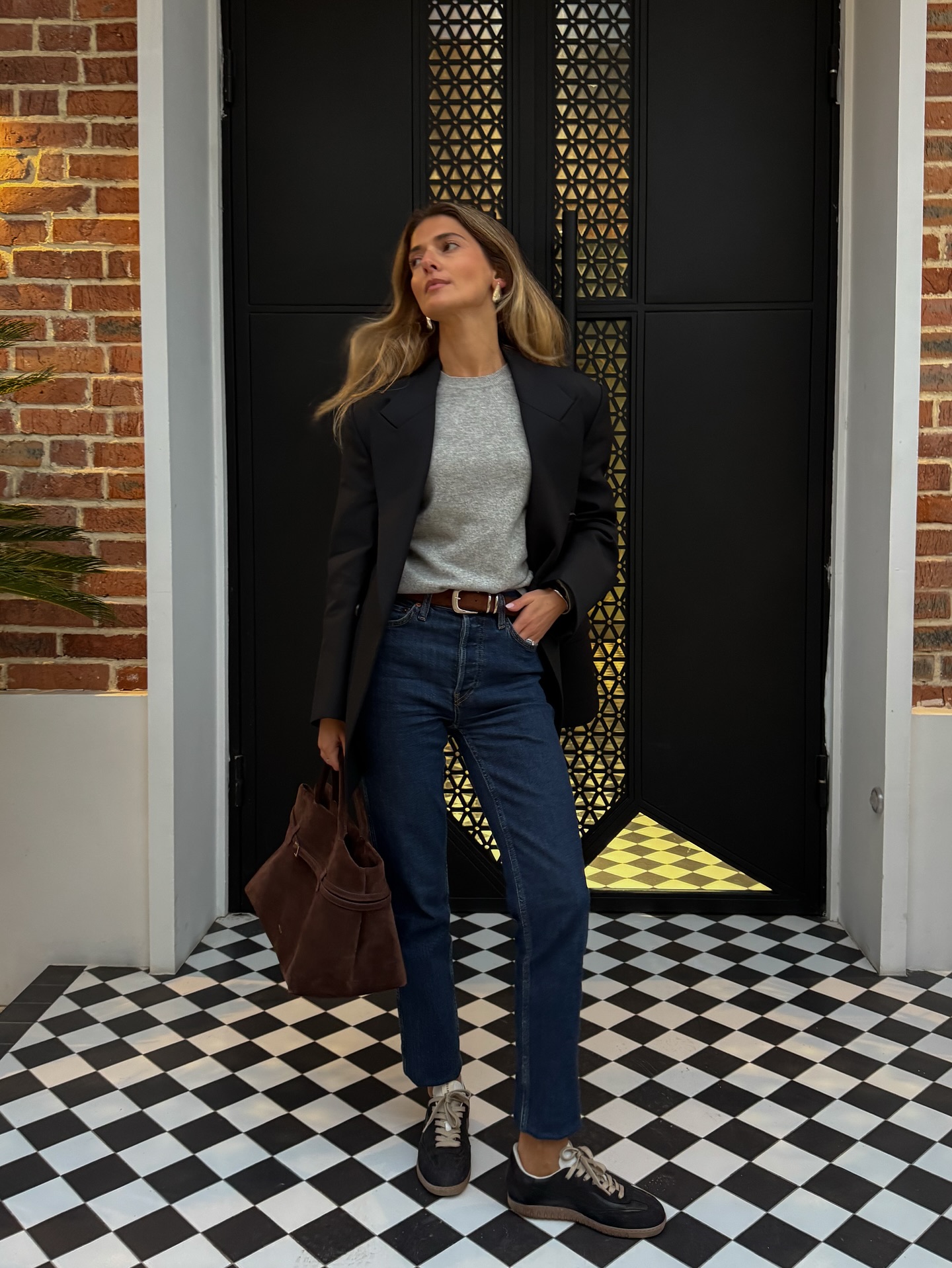
Outfit #14: Black Structured Longline Blazer + Gray Ribbed Crew-Neck T-Shirt + Brown Leather Belt + Dark Wash Straight-Leg Jeans + Brown Suede Tote Bag + Gray and White Sneakers
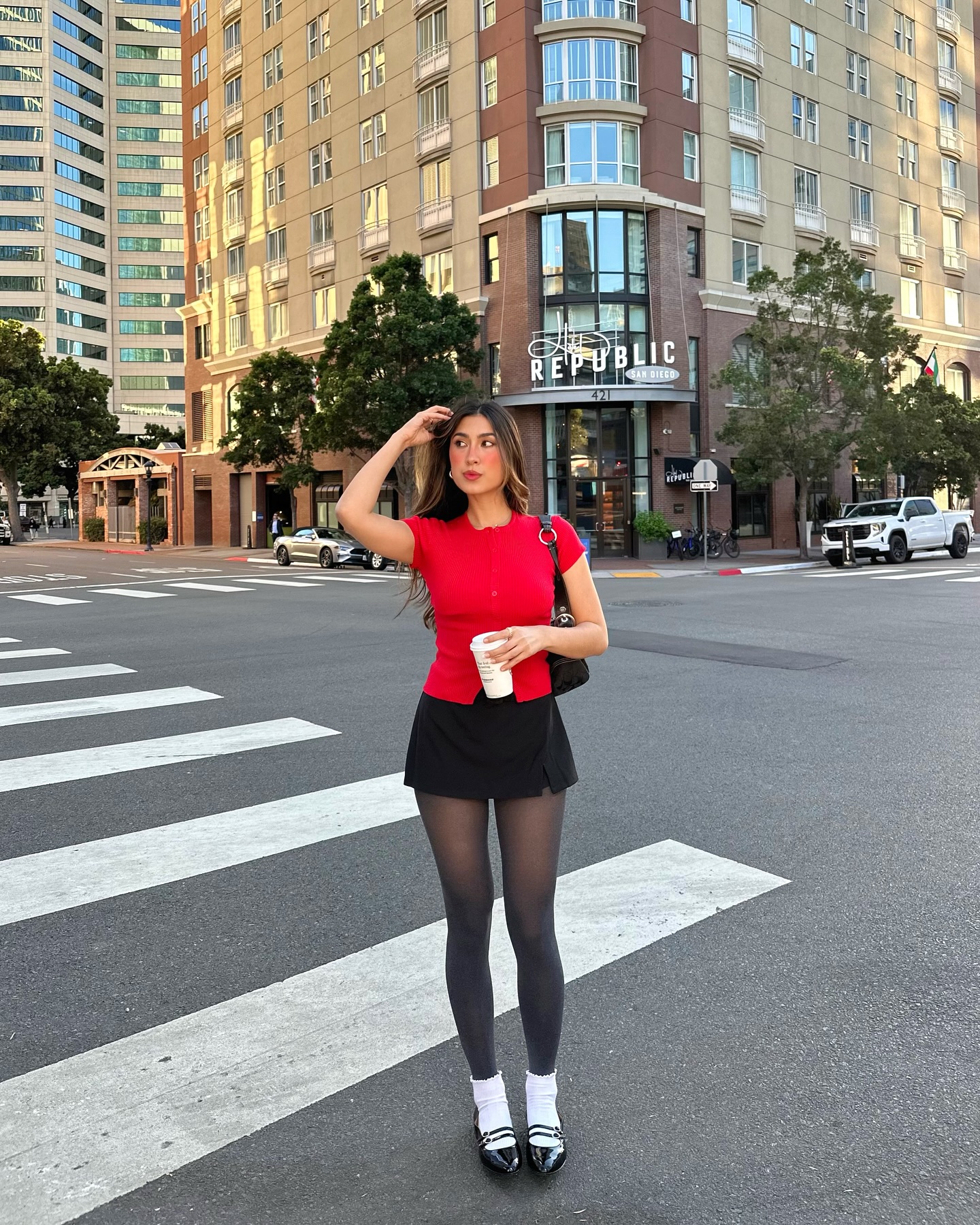
Outfit #15: Red Ribbed Short-Sleeve Top + Black Mini Wrap Skort + Black Opaque Tights + White Ruffle Ankle Socks + Black Patent Double-Strap Mary Jane Flats + Black Mini Shoulder Bag
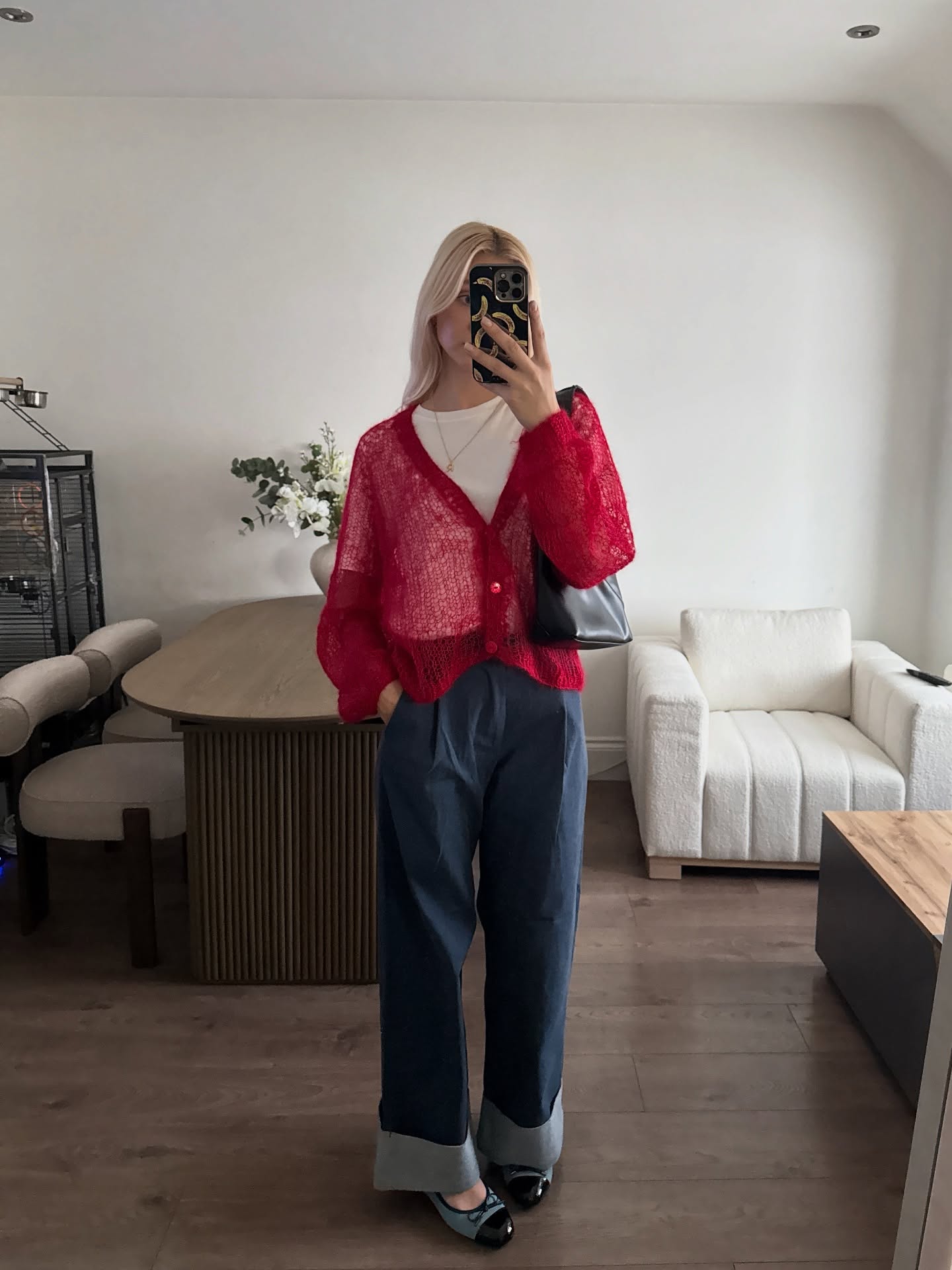
Outfit #16: Red Sheer Lace Mohair Cardigan + White Crew-Neck T-Shirt + Navy Wide-Leg Cuffed Trousers + Black Patent Loafers + Black Leather Shoulder Bag
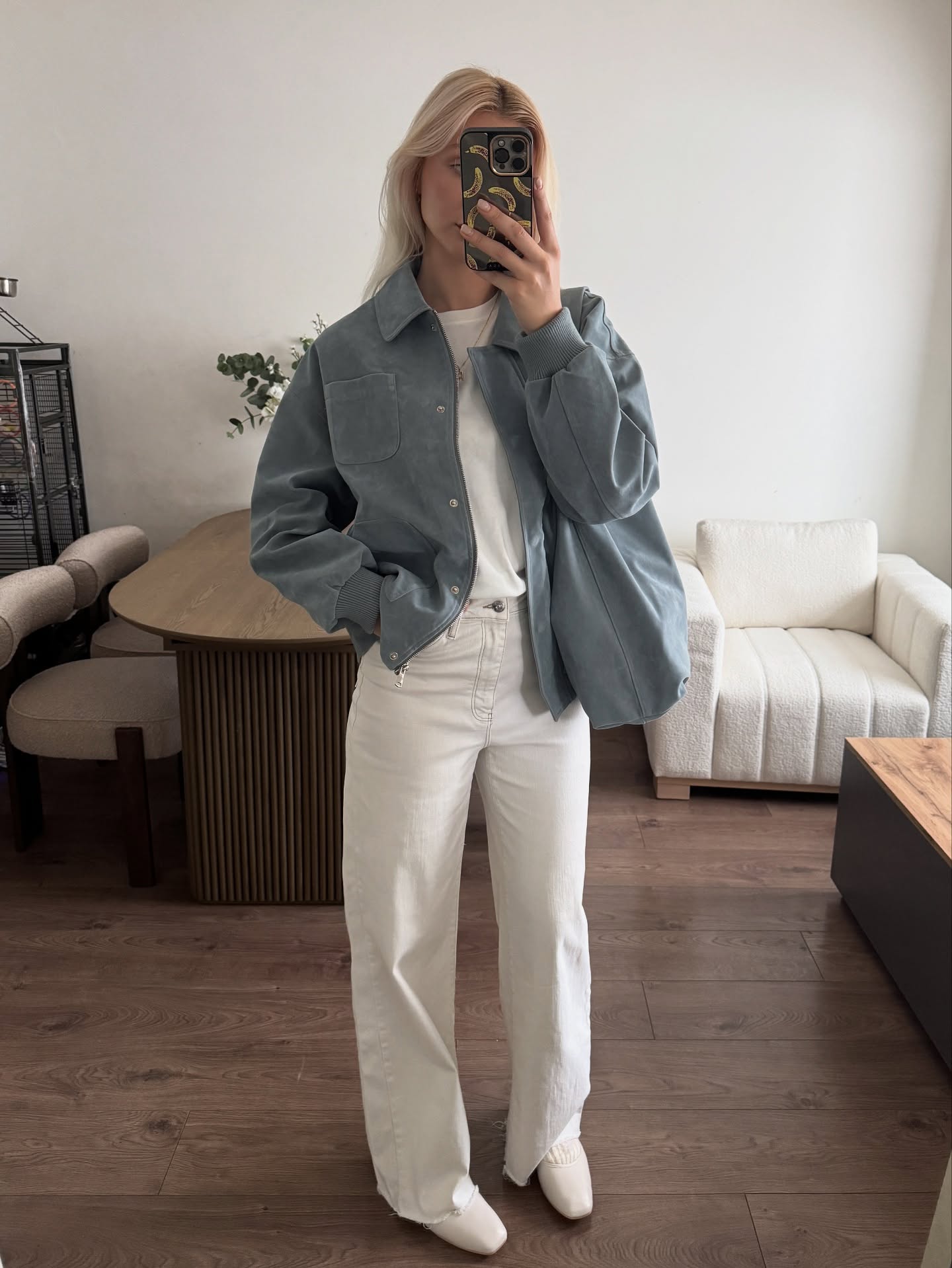
Outfit #17: Blue Gray Suede Oversized Snap-Button Jacket + White T-Shirt + Off-White Wide-Leg Jeans + Off-White Ankle Boots
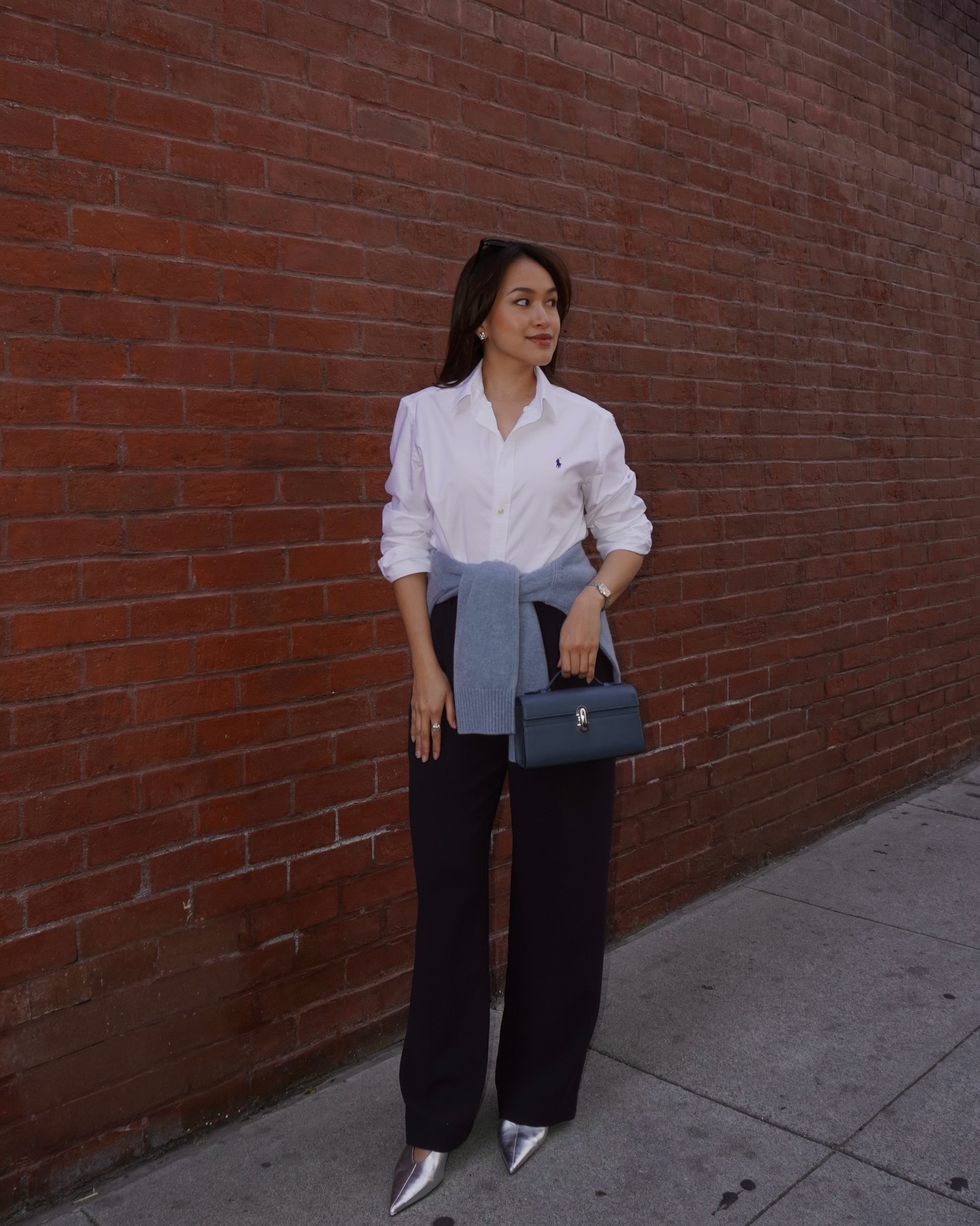
Outfit #18: White Oxford Button-Down Shirt + Blue Gray Knit Sweater (Tied at Waist) + Navy Wide-Leg Trousers + Silver Pointed-Toe Kitten Heel Pumps + Navy Blue Top Handle Bag
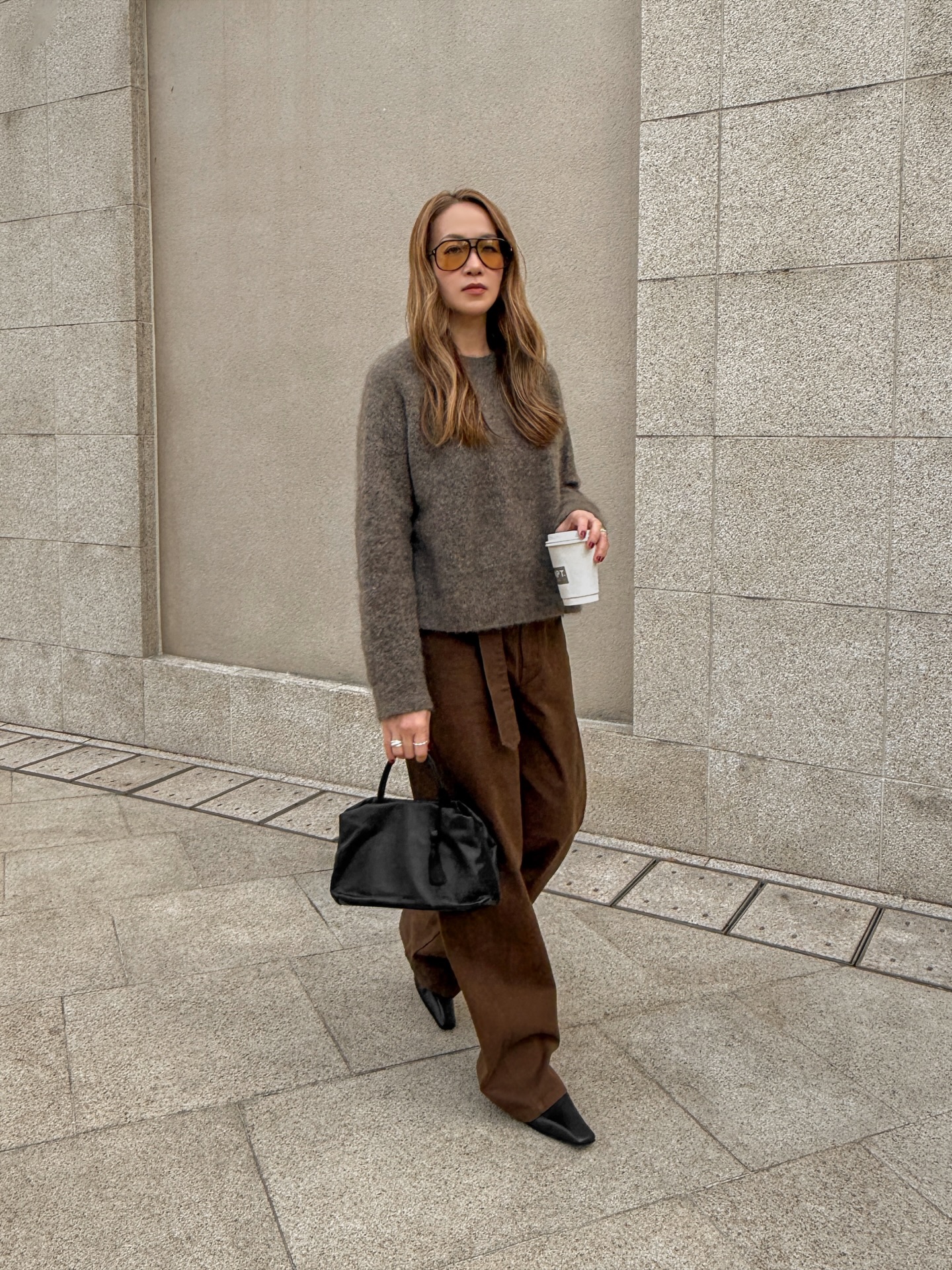
Outfit #19: Gray Mohair Crew-Neck Sweater + Dark Brown Wide-Leg Trousers + Black Leather Mini Top Handle Bag + Black Cap-Toe Kitten Heel Ankle Boots